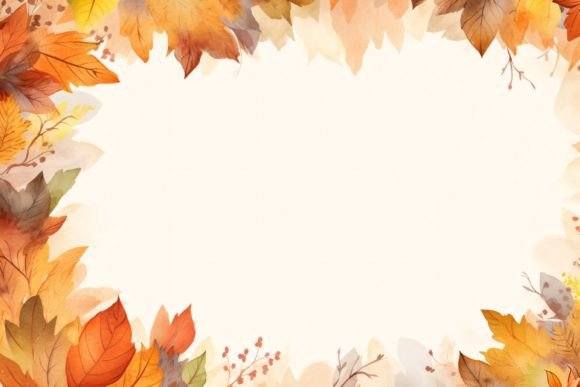
Autumn Border Background: A Timeless Design Element for Creative Projects
The Autumn Border Background is a versatile design asset that captures the essence of fall through intricate visual elements. Whether you're crafting wedding invitations, designing home decor, or working on digital graphics, this background offers a cohesive and elegant way to evoke seasonal warmth and style. With its high-resolution JPG format (2000×2000 px), 300 DPI resolution, and RGB color profile, it’s built for both print and digital applications, ensuring clarity and vibrancy across all mediums.
What Makes an Autumn Border Background Unique?
An autumn border background typically features motifs like falling leaves, tree branches, harvest symbols, and muted seasonal colors such as burnt orange, golden yellow, deep red, and earthy browns. These elements are arranged in a decorative frame or pattern that can be applied around text, images, or other graphic components. The beauty of this type of background lies in its ability to blend subtle elegance with thematic relevance—making it ideal for any project where autumn aesthetics play a central role.
Unlike generic borders, the autumn theme adds emotional resonance by connecting the viewer to the season's atmosphere. This makes it especially effective for personal and professional projects that aim to create a warm, inviting, or nostalgic impression. Its structured yet organic feel allows it to complement both minimalist and detailed designs without overpowering them.
Key Features and Benefits
- High Resolution: At 2000×2000 pixels, the Autumn Border Background ensures crisp, clear visuals even when enlarged or printed at scale.
- Professional Quality: The 300 DPI resolution guarantees sharp details suitable for professional printing, whether on business cards, posters, or packaging materials.
- RGB Color Compatibility: Designed for screen-based use, the RGB color mode enhances vibrancy and realism in digital formats like websites, social media, and e-books.
- Flexible Format: As a JPG file, it integrates easily into most design software and platforms, offering hassle-free editing and customization options.
- Multi-Purpose Use: From stationery to web graphics, this background adapts well to various creative needs without requiring significant alterations.
Real-World Applications and Performance
Designers often look for assets that perform reliably across different contexts. The Autumn Border Background excels in usability because of its clean structure and balanced composition. When applied to a wedding invitation, for instance, it adds a touch of seasonal sophistication that aligns perfectly with fall nuptials. Similarly, it works well for photo albums and scrapbooks, helping to frame memories with a sense of time and place.
In business card design, this background can subtly reinforce a brand identity rooted in nature, sustainability, or seasonal services. Marketers may find it useful for promotional materials during autumn campaigns, while educators might incorporate it into classroom resources for lessons on seasons or literature with fall themes.
One practical observation is how the background maintains clarity when overlaid with text or images. It doesn’t distract but rather enhances the overall layout, which is essential for readability and user experience. In digital marketing, particularly for bloggers and publishers, using this border in email newsletters or blog headers can visually anchor content around autumn-related topics like fashion, food, or travel.
Audience Fit and Project Suitability
Professionals in event planning, graphic design, and photography will likely benefit most from the Autumn Border Background. Its adaptability suits those who need to produce multiple versions of similar materials, such as themed invitations or product listings for seasonal businesses. Freelancers working on client portfolios or branding packages for cafes, boutiques, or wellness centers can also leverage this resource to maintain a consistent aesthetic throughout their work.
Small business owners, especially in retail or hospitality, may use it to enhance seasonal promotions or packaging. Educators could integrate it into lesson plans, presentations, or educational materials related to autumnal themes. Bloggers and content creators will appreciate the ease with which they can apply it to headers, post backgrounds, or page dividers to maintain a cohesive look across their platforms.
Evaluation Criteria: Quality and Long-Term Value
When evaluating design assets, professionals consider several factors including quality, flexibility, and long-term usability. The Autumn Border Background scores well in each of these areas. Its high resolution and attention to detail make it a reliable choice for both print and digital outputs. The clean lines and thoughtful placement of autumnal elements suggest that the creator has prioritized balance and visual harmony.
However, there are some limitations to consider. While the design is rich and detailed, it may not suit every project. For example, if a design requires extreme minimalism or if the background needs to accommodate dense text, the complexity of the border could become a drawback. In such cases, selective layering or partial application might be more appropriate than full coverage.
Another factor to assess is consistency. If your project involves multiple pages or items that need to match visually, ensure that this border can be used across all pieces without looking mismatched. Some designers prefer creating a suite of complementary autumn-themed assets to maintain a unified appearance.
Recommendations for Effective Use
To maximize the effectiveness of the Autumn Border Background, start by identifying the primary purpose of your project. Is it to evoke emotion, establish a theme, or simply add visual interest? Once you have clarity, consider how the border will interact with other design elements. Here are a few recommendations based on real-world usage scenarios:
- Wedding Invitations: Use the border as a frame around the main text block to highlight the seasonal theme. Pair it with serif fonts and muted tones for a classic look.
- Photo Albums: Apply the border selectively to specific pages or sections dedicated to fall events. This avoids overwhelming the viewer while adding a curated feel.
- Web Graphics: Incorporate it into website headers or landing pages for seasonal campaigns. Ensure the background remains semi-transparent or layered so it doesn’t interfere with legibility.
- Business Cards: Opt for a smaller, scaled-down version of the border placed along one edge. This adds visual flair without compromising professionalism.
- Craft Projects: Print it on high-quality paper for DIY scrapbooking or greeting cards. The RGB color ensures vibrant prints that stand out against traditional paper stocks.
Presentation and Usability Considerations
From a usability standpoint, the JPG format is straightforward to handle. Most design tools—from Adobe Photoshop to Canva—support this file type, allowing for easy resizing, cropping, and layer adjustments. However, keep in mind that JPG files do not support transparency, so you’ll need to adjust the background color or opacity accordingly depending on the overlay content.
The border’s RGB color profile is optimized for digital screens, making it suitable for online use. But if you plan to print it, verify that your printer supports RGB conversion or that you’re using software capable of translating RGB to CMYK accurately. Mismanagement of color profiles can lead to unexpected shifts in hue or saturation, affecting the final output.
For multi-page projects like scrapbooks or stationery sets, maintaining a consistent application method is key. Whether you choose to repeat the border across pages or vary its placement slightly, a cohesive strategy will elevate the overall design and user experience.
Limitations and Alternatives
While the Autumn Border Background is a strong option, it isn’t universally applicable. For highly technical or modern designs, the ornate nature of the border may clash with the intended style. In such cases, alternatives like abstract patterns, geometric frames, or flat vector borders might be better suited.
Additionally, the static nature of the JPG file means it lacks animation or interactivity, which could be a consideration for web developers or app designers aiming for dynamic interfaces. Those seeking animated autumn elements should explore SVG or GIF formats instead.
Lastly, the single-frame design may require additional effort when customizing for unique layouts. If your workflow demands frequent edits or variations, investing in a scalable vector graphic (SVG) version could save time in the long run. Many design libraries offer such variants, though they may come at a cost or require subscription access.
Final Thoughts
The Autumn Border Background is a thoughtfully designed element that brings warmth and thematic richness to a wide range of creative endeavors. Its high resolution and professional-grade specifications make it a solid investment for anyone working in visual communication, whether for commercial, personal, or educational purposes. By understanding its strengths and limitations, users can integrate it effectively into their workflows and avoid potential pitfalls.
If you’re involved in seasonal design, event planning, or content creation, this background offers a valuable tool to enhance visual storytelling. Just remember to tailor its application to your specific needs and audience preferences. Used wisely, it can transform ordinary layouts into memorable experiences that resonate with the spirit of autumn.