Light Wood Grain Digital Paper: A Versatile Asset for Creative Projects and Professional Workflows
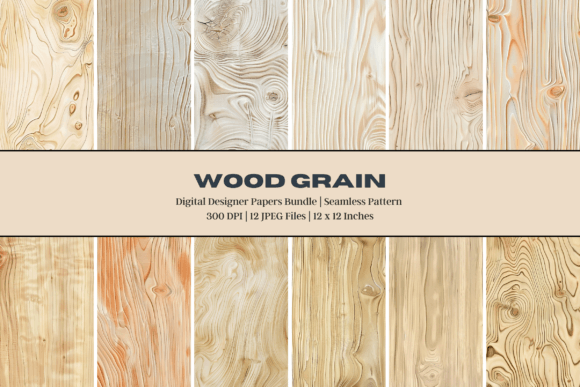
Light wood grain digital paper is a high-quality, seamless background design that mimics the natural texture of wood. It’s ideal for both digital and print-based projects due to its clean aesthetic and professional finish. Available in 12 distinct patterns at 300 DPI resolution, this digital paper comes in a convenient 12 x 12 inches format and as a ZIP file containing all JPGs. Whether you're a designer, blogger, or DIY enthusiast, integrating Light Wood Grain Digital Paper into your workflow can enhance visual appeal while maintaining efficiency.
Understanding the Role of Light Wood Grain Digital Paper in Design Processes
In creative workflows, the right background can make all the difference. Light Wood Grain Digital Paper serves as a foundational element, providing a subtle yet elegant texture that complements typography, illustrations, and photography without overpowering them. Its neutral tone works well with a wide range of color schemes and design styles, making it adaptable across various applications such as scrapbooking, blog layouts, invitations, and branding materials.
This type of digital paper is especially useful when working on designs that require warmth, organic feel, or rustic charm. Unlike busy textures, light wood grain adds depth without distracting from content, which is crucial for user-focused interfaces like websites, blogs, and social media assets.
Pre-Project Preparation: Selecting the Right Pattern
Before diving into any project, selecting the appropriate pattern ensures consistency and saves time during execution. When choosing from the 12 seamless options, consider the following:
- Color Compatibility: Match the wood tones with your project's primary palette. For example, lighter grains work best with muted or pastel colors.
- Design Purpose: If you’re creating wedding invitations, a warm oak-like pattern may be more suitable than a cooler birch effect.
- Platform Requirements: Ensure the pattern meets the resolution and size standards of where it will be used—especially if printing is involved.
Organizing your chosen patterns into folders by theme or use case (e.g., "Wedding Invitations," "Blog Headers") helps streamline access later in the process. This preparation step is key to maintaining efficiency and reducing decision fatigue during active design phases.
During Project Execution: Integrating into Layouts and Assets
Once you’ve selected your preferred Light Wood Grain Digital Paper, the next phase involves applying it effectively within your design tools. Most graphic designers work with Adobe Photoshop, Illustrator, Canva, or Procreate. Here’s how you can integrate these textures smoothly:
- Import the Texture: Open your editing software and drag the JPG file onto your canvas. Resize it to fit the document using smart object settings to preserve quality.
- Layer Blending Modes: Experiment with blending modes like “Multiply” or “Overlay” to achieve a natural integration with other elements. This technique allows the grain to subtly interact with colors and images rather than sitting flatly underneath.
- Opacity Adjustments: Lower the opacity slightly (around 40–60%) to maintain visibility of text or graphics placed over the wood grain. This creates balance and ensures readability.
- Use as a Clipping Mask: Apply the wood grain texture as a clipping mask to specific design elements like headers, borders, or decorative flourishes for added sophistication.
For digital scrapbooking or planner stickers, consider placing the wood grain beneath transparent layers to give a tactile look while still allowing customization. In website design, using it as a hero section background or card overlay can evoke a sense of craftsmanship and authenticity.
Post-Creation Optimization: Ensuring Consistency and Quality
After incorporating Light Wood Grain Digital Paper into your designs, it's essential to review how it interacts with other components. Check for contrast issues, especially if your text is white or pale; ensure legibility by adjusting font weight or color if needed.
When exporting final files, confirm that the wood grain remains intact and doesn’t become distorted or pixelated. Because the paper is provided in high-resolution JPG format, it’s safe to print at full scale for items like hardcovers, business cards, or packaging. However, always verify printer specifications to avoid unnecessary scaling that might compromise detail.
Another tip is to maintain a consistent style across multiple uses. If you’re designing a set of birthday cards or tags, using the same wood grain pattern throughout helps create a cohesive brand identity or personal style.
Real-World Use Cases and Workflow Examples
Let’s explore some practical scenarios where Light Wood Grain Digital Paper can elevate your output:
1. Scrapbooking and Handmade Stationery
Digital scrapbookers often layer textures to add dimension and interest. By using a wood grain background, you can mimic the look of an actual handmade journal. Pair it with vintage-style fonts, hand-drawn doodles, and soft watercolor accents for a timeless aesthetic.
2. Website and Blog Designs
For bloggers aiming to create a cozy, artisanal vibe, adding a wood grain texture to sidebar sections, post headers, or navigation bars can help differentiate their site from standard grid-based templates. It’s also effective in portfolio websites for creatives like interior designers or carpenters, reinforcing the theme visually.
3. Business Cards and Branding Collateral
Entrepreneurs in industries like furniture, woodworking, or wellness often benefit from subtle textures that reflect their craft or philosophy. Using Light Wood Grain Digital Paper for business cards, letterheads, or branded envelopes gives a polished, earthy feel that stands out in a sea of minimalist designs.
4. Wedding and Event Invitations
Wood grain textures are popular in rustic-themed weddings. They provide a natural backdrop for calligraphy names, floral accents, and romantic typography. The seamless nature of the patterns makes them easy to tile or repeat across multiple pages or folded designs without visible seams.
5. Packaging and Decorative Crafts
From gift boxes to jewelry displays, wood grain paper adds a premium touch. You can apply it digitally before sending mockups to printers or use it directly for decoupage projects. The 12 x 12 inch format fits well into standard packaging templates, making it a go-to choice for entrepreneurs selling physical products online.
Collaboration and Tool Integration Tips
Working with Light Wood Grain Digital Paper becomes even more powerful when combined with other tools and methods. Here are a few examples of how it can be integrated into different platforms:
- Adobe Creative Suite: Import the JPGs into Photoshop as smart objects to easily resize or manipulate without loss of quality. In Illustrator, place it as a background layer or embed it into vector-based elements for mixed-media effects.
- Canva: Upload the wood grain files directly into Canva as a custom asset. Use them for blog headers, social media posts, or printable party decorations.
- Procreate: Add the texture as a new layer beneath your artwork. With adjustment brushes and blend modes, you can soften or highlight the grain depending on your composition.
- DIY Websites (Wix, Squarespace): Many site builders allow custom backgrounds. Upload the JPG files and adjust the tiling settings to cover entire sections seamlessly.
Additionally, sharing the ZIP file with collaborators or clients is straightforward. Since all 12 patterns are included, you can assign specific ones to different team members or use them across varied project phases—from initial sketches to final presentations.
Long-Term Use and Organization Strategies
To maximize the utility of Light Wood Grain Digital Paper, implement strategies that support long-term organization and reuse:
- Create a Texture Library: Store the wood grain files alongside other textures and assets in a centralized folder. Categorize them by use (e.g., print vs. web) and date of last use to keep your resources fresh and accessible.
- Version Control: If you modify the texture (e.g., changing opacity or blending mode), save those versions under unique names so they don’t overwrite original files. This keeps your base assets untouched for future projects.
- Template Development: Build reusable design templates with pre-applied wood grain textures. These templates can serve as quick-start assets for recurring tasks like monthly planner stickers or weekly blog headers.
- Quality Checks: Periodically review older projects using these textures to ensure they still meet current standards. High-resolution JPGs should hold up well, but outdated compositions may need refreshing with updated layout techniques or complementary assets.
By organizing your digital paper assets efficiently, you reduce setup time and improve overall productivity. This is particularly valuable for freelancers, educators, or small business owners who juggle multiple creative tasks daily.
Practical Implementation and Outcome Considerations
Implementing Light Wood Grain Digital Paper into your routine isn’t just about aesthetics—it's about enhancing outcomes through thoughtful planning and execution. Here are a few observations to guide your implementation:
First, test early and test often. Try a few variations of the wood grain texture in your draft designs before finalizing. How it looks on screen versus in print can vary, especially if lighting conditions affect perceived color and grain intensity.
Second, consider accessibility. While wood grain adds visual interest, ensure it doesn’t interfere with contrast ratios for text or icons. Tools like WebAIM’s Color Contrast Checker can help validate that your design choices remain inclusive.
Lastly, stay consistent. If you’re building a themed blog or product line, sticking to one or two wood grain patterns reinforces brand recognition and provides a unified experience for your audience.
Conclusion
Light Wood Grain Digital Paper is more than just a background—it’s a functional design element that enhances creativity and professionalism across a broad spectrum of projects. From invitations and blog headers to packaging and planner stickers, its versatility makes it a valuable addition to any digital toolkit. By understanding how to select, apply, and organize these textures within your workflow, you can leverage them to produce higher-quality, more cohesive outputs consistently.