Black, Gray and White Digital Papers: A Versatile Resource for Creative and Professional Projects
Black, gray, and white digital papers offer a timeless and elegant palette that can elevate the visual appeal of a wide range of projects. Whether you're a scrapbooker, graphic designer, marketer, or entrepreneur, these monochromatic designs provide a clean and professional foundation for your work. This article explores how Black, Gray and White Digital Papers can be effectively integrated into your creative and business processes, their use cases, and practical tips to maximize their value.
Understanding Black, Gray and White Digital Papers
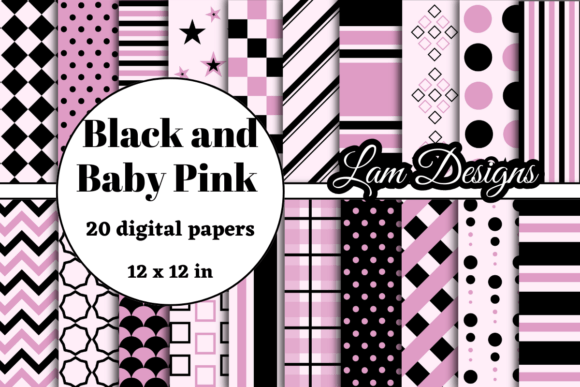
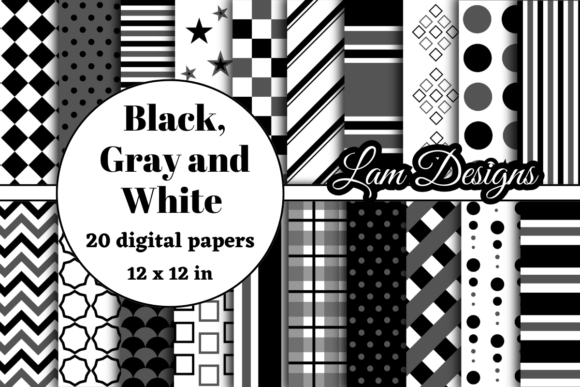
Black, Gray and White Digital Papers are high-resolution printable files designed in a minimalist color scheme. These papers typically come in standard sizes such as 12in x 12in and are often bundled in ZIP files for easy access and organization. Their simplicity allows them to blend seamlessly with various design elements, making them ideal for both personal and commercial applications.
Unlike colorful digital paper packs, black, gray, and white options focus on texture, pattern, and contrast. They can feature subtle gradients, geometric shapes, abstract lines, or intricate monochrome illustrations. These characteristics make them highly adaptable across different industries and creative fields.
Preparation and Use Cases
Before diving into a project, it's important to assess the purpose and context where Black, Gray and White Digital Papers will be used. Here are some common scenarios:
- Scrapbooking: These papers serve as excellent backgrounds for documenting memories, especially when paired with photos, journaling cards, and embellishments in similar tones.
- Event Planning: Invitations, thank-you cards, and party decorations benefit from the sophistication and clarity of a monochrome color scheme.
- Business Branding: Entrepreneurs and marketers can use them for brochures, business cards, or stationery to maintain a sleek and modern brand identity.
- Printable Products: From planners to stickers, these papers help create cohesive and visually appealing printables that align with minimalistic design trends.
By understanding the intended outcome of your project, you can select the most appropriate patterns and ensure they support your overall vision rather than distract from it.
Planning Your Workflow
Incorporating Black, Gray and White Digital Papers into your workflow begins with planning. For example, if you're designing a planner template, consider using these papers for section dividers or background pages to keep the layout consistent and distraction-free. Similarly, educators might find them useful for creating worksheets or handouts that emphasize content over style.
During the planning phase, ask yourself:
- What is the primary goal of this project?
- Will the monochrome theme enhance or hinder readability?
- How do I want to structure the design layers (backgrounds, text, images)?
Integration with Other Tools and Resources
These digital papers interact well with other design tools and platforms. When used in conjunction with software like Adobe Photoshop, Canva, or Microsoft Word, they become a foundational element that supports your creative process without overwhelming it.
For instance, if you're using Canva to create social media graphics or promotional materials, you can easily upload the ZIP file containing the 20 digital papers and set them as background templates. This integration allows for quick adjustments while maintaining a consistent aesthetic.
Additionally, Black, Gray and White Digital Papers complement other monochrome assets such as icons, fonts, and clipart. When working with a limited color palette, it’s crucial to maintain harmony between all design components. Choosing complementary textures and line weights ensures that the final product feels unified and polished.
Compatibility and Usability
One of the key advantages of Black, Gray and White Digital Papers is their compatibility with a variety of printing and digital formats. Since they’re designed digitally, they work equally well for screen-based projects (like website headers or email templates) and physical outputs (such as greeting cards or wall art).
When preparing for print, always check the resolution and file format of each paper. Most digital paper packs are provided in PNG or JPEG formats at 300 DPI, which is suitable for high-quality printing. If you're wrapping an acrylic tumbler or creating gift tags, ensuring that the paper size matches the dimensions of your project is essential for accuracy and professionalism.
Implementation Tips and Workflow Examples
Here are some practical ways to implement Black, Gray and White Digital Papers into your daily tasks:
- Layer Backgrounds: In scrapbooking, layer two or more papers subtly to add depth without introducing color clutter.
- Set Design Standards: Use one or two dominant patterns throughout your project to maintain consistency and reduce cognitive load on the viewer.
- Create Print-on-Demand Templates: Combine these papers with modular layouts to build reusable templates for products like calendars, planners, or notebooks.
- Enhance Minimalist Designs: Add a touch of elegance by using a textured black or gray paper behind clean typography or simple illustrations.
A typical workflow might look like this:
- Download the ZIP file and extract the papers onto your computer.
- Open your design software and import the desired paper as a background.
- Adjust the opacity or layer blending modes to integrate text, images, or additional design elements smoothly.
- Export the final design in the required format and size for your intended use.
Organization and Efficiency
With a pack containing 20 digital papers, staying organized becomes a priority. Create a dedicated folder for each project type or categorize the papers based on their texture, pattern density, or mood. Naming conventions like "BG-Black-Stripey" or "BW-Gray-Dot" help streamline selection and prevent confusion later in the design process.
Using these papers consistently across your work also contributes to long-term efficiency. Once you've established a preferred combination of colors and patterns, applying them to future projects becomes faster and more intuitive. This not only saves time but also reinforces your brand or personal style.
Quality Control and Long-Term Use
To get the best results from Black, Gray and White Digital Papers, always perform quality checks before finalizing your project. Test print samples to see how the colors appear in real life, especially if the papers include grayscale shading or fine details. Digital previews may not accurately reflect the final printed output, so a physical test can be invaluable.
For long-term use, store your digital paper library in a cloud-based system or design asset manager. This makes them accessible across devices and simplifies collaboration with team members or clients. It also helps preserve your resources against accidental deletion or misplacement.
Maintaining Consistency
Consistency is key when using any design resource, including digital papers. When building a collection of printables—whether for a blog, small business, or personal use—choose a few core patterns from the Black, Gray and White Digital Papers pack and rotate them strategically. This creates a sense of cohesion and professionalism, especially in multi-piece product sets or themed content series.
If you're designing for clients, present them with sample mockups showing how the papers would look in the final product. This not only demonstrates your attention to detail but also invites feedback early in the process, reducing the need for revisions later.
Conclusion
Black, Gray and White Digital Papers are more than just background elements—they are versatile tools that can enhance the clarity, aesthetics, and professionalism of your work. By thoughtfully integrating them into your creative and business workflows, you can achieve consistent, high-quality outcomes while streamlining your design process.
Whether you're crafting a birthday card, launching a new branding campaign, or organizing a productivity planner, these papers provide a reliable base that supports creativity without overshadowing it. With proper preparation, smart implementation, and ongoing organization, you’ll find that Black, Gray and White Digital Papers become an essential part of your design toolkit.