Recipe Planner: A Versatile Tool for Creative and Practical Applications
For individuals who enjoy organizing their culinary experiences or integrating visual elements into a variety of creative projects, the Recipe Planner is an invaluable resource. Designed primarily as a printable PDF document, this planner extends beyond its kitchen-centric roots to serve multiple purposes in both personal and professional contexts. Whether you're a food blogger, event planner, graphic designer, or simply someone who loves cooking and crafting, understanding how to leverage a Recipe Planner can enhance productivity, creativity, and overall project outcomes.
What Is a Recipe Planner?
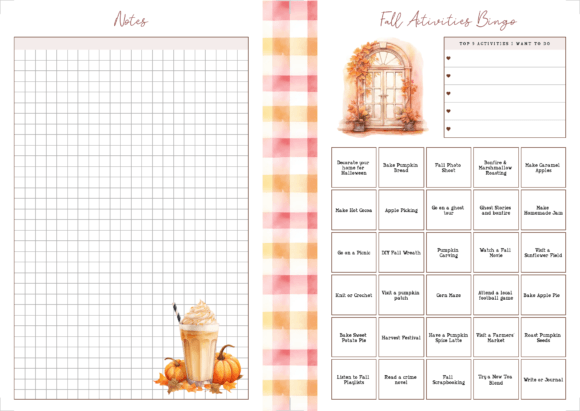
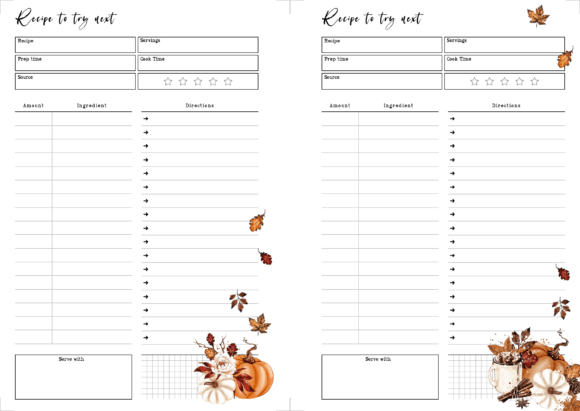
A Recipe Planner is a structured template that allows users to record, organize, and plan recipes efficiently. Typically available in digital formats such as PDF, it can be printed for physical use or utilized directly on screens. These planners often include sections for ingredients, measurements, cooking instructions, meal notes, and even space for images or design elements.
The A5 size format is particularly popular due to its compact yet functional dimensions, making it ideal for integration with other tools like bullet journals, scrapbooks, or custom printables. Its adaptability has led to widespread adoption across various fields, from home cooks to commercial designers.
Key Features and Design Elements
- Customizable Layouts: Most Recipe Planners come with multiple layout options, including single-recipe pages, weekly meal plans, and grocery lists. This flexibility ensures users can tailor the planner to suit their specific needs.
- Print-Friendly Format: The PDF version is optimized for printing, ensuring high-quality visuals and legibility when used for physical crafts or note-taking.
- Scalable Use: With its A5 size, the planner fits seamlessly into standard planning systems while remaining large enough to accommodate detailed information and illustrations.
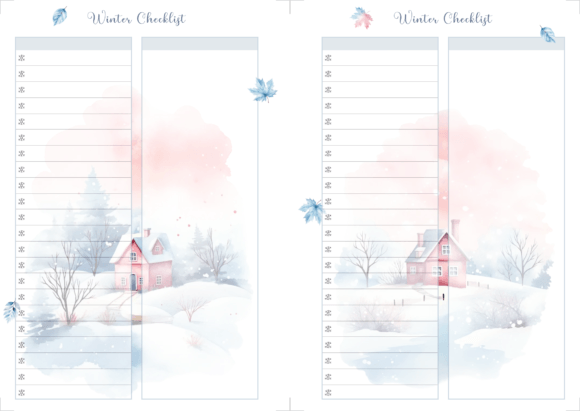
- Blank vs. Structured Templates: Some versions offer blank pages for freehand writing, while others provide pre-formatted tables and boxes to maintain consistency and ease of use.
These features make the Recipe Planner not only a useful tool for meal planning but also a valuable asset for creators looking to incorporate recipe content into broader design projects.
Purpose and Practical Value
At its core, the Recipe Planner helps streamline the process of managing recipes. It enables users to avoid cluttered notebooks, lost handwritten notes, or scattered digital files by consolidating all relevant information into one organized space.
Professionally, the planner serves as a foundation for content creation. For example, bloggers and publishers can extract layouts and formatting ideas to present recipes more visually appealingly on websites or in print. Educators might use it to develop lesson plans around cooking or nutrition, while entrepreneurs could integrate it into branding materials or product packaging designs.
Strengths in Real-World Use
In practice, the Recipe Planner shines in several areas:
- Organization: Users report improved efficiency in tracking meals, ingredients, and dietary preferences. One user noted that having a dedicated planner reduced last-minute confusion during meal prep for family events.
- Visual Integration: Designers appreciate the clean lines and modular structure, which allow them to overlay graphics, photos, or decorative elements without compromising readability.
- Portability: The A5 size is convenient for carrying in a bag or attaching to a clipboard, making it suitable for use in kitchens, classrooms, or craft studios.
- Cost-Effectiveness: Compared to bespoke design solutions, using a Recipe Planner as a base template offers a budget-friendly alternative that still supports customization.
Who Benefits Most from Using a Recipe Planner?
While the primary audience may appear to be home cooks, the Recipe Planner caters to a much broader demographic:
- Creative Professionals: Graphic designers and web developers can repurpose the template’s layout for invitations, cardmaking, or stationery projects.
- Event Planners: Those organizing parties or themed dinners find it useful for compiling menu ideas and sharing them with clients in a polished format.
- Small Business Owners: Entrepreneurs in the food industry can use it to draft menus or track seasonal offerings before finalizing designs.
- Hobbyists and Crafters: Scrapbook enthusiasts and DIY artists enjoy incorporating the planner into collages, photo albums, or fabric printing endeavors.
- Marketers and Bloggers: Content creators benefit from the planner's structure when developing blog posts or social media content featuring recipes.
Its dual function as both a practical organizer and a design element makes it especially appealing to those who value aesthetics alongside functionality.
Usability and Flexibility Across Platforms
The usability of a Recipe Planner largely depends on how well it integrates into your existing workflow. Since it is a PDF file, it can be edited using common software like Adobe Acrobat, Canva, or even Google Docs if converted properly. This opens up opportunities for further customization, such as adding logos, adjusting fonts, or embedding photographs.
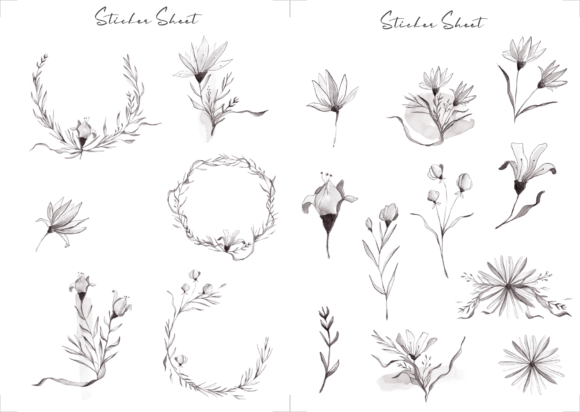
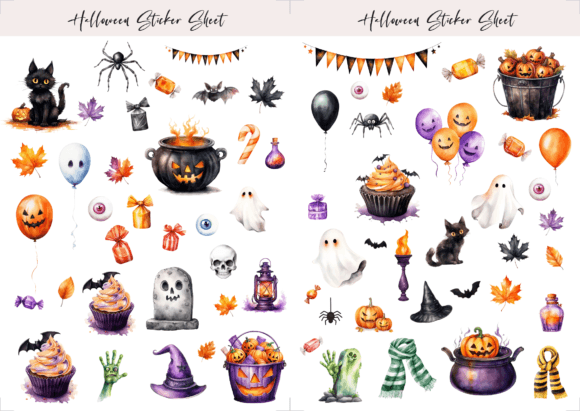
For digital creators, the ability to layer the planner with vector graphics or apply color overlays enhances its versatility. In contrast, those who prefer traditional methods can print it and use it with markers, washi tape, or stickers—perfect for planner stickers or scrapbooking applications.
Realistic Examples of Application
Consider a freelance web designer tasked with creating a site for a local bakery. By using a Recipe Planner as a reference, they can design a consistent and attractive recipe section that mirrors the client's brand identity. Similarly, a teacher preparing a unit on healthy eating might use the planner as a handout for students to fill out their own weekly meal plans, combining education with hands-on learning.
Another scenario involves a wedding planner designing custom thank-you cards for a couple who owns a catering business. Incorporating a stylized version of the Recipe Planner adds a unique, personalized touch that aligns with the couple’s professional background while maintaining visual appeal.
Quality and Reliability Considerations
When selecting a Recipe Planner, quality should be a key factor. High-resolution PDFs ensure crisp prints, while thoughtful design choices (such as ample white space or clear headings) improve usability. Reputable providers often offer templates that are compatible with both digital editing and physical crafting.
Reliability comes into play when the planner remains consistent across different uses. For instance, if you're using it for business cards or letterhead, the font styles and page margins must remain uniform. Fortunately, most professionally designed Recipe Planners adhere to these standards, minimizing the need for additional tweaks.
Limitations and Things to Watch For
Despite its many benefits, the Recipe Planner isn't without limitations:
- Limited Digital Interactivity: As a static PDF, it lacks features like clickable links or form fields unless specifically designed to include them.
- Learning Curve for Customization: Beginners may require some time to learn how to edit and reformat the planner effectively, depending on their chosen platform.
- Storage Requirements: If used extensively, managing multiple versions of the planner can become cumbersome unless stored systematically in digital folders or cloud drives.
It’s important to assess whether the level of customization offered meets your specific needs. For complex interactive documents, consider pairing the planner with additional tools or platforms that support dynamic content.
Long-Term Value and Effectiveness
Over time, the effectiveness of a Recipe Planner will depend on how consistently it is updated and maintained. Many users keep their planners for months or even years, revisiting favorite recipes or adjusting meal plans seasonally.
From a long-term perspective, the planner provides a centralized archive that can evolve with your tastes, dietary changes, or project requirements. Frequent updates help retain its relevance, while the ability to print or share digitally ensures it remains adaptable to changing workflows.
Recommendations for Getting Started
If you’re considering using a Recipe Planner, here are a few tips to maximize its potential:
- Choose a template that matches your aesthetic and functional preferences—whether minimalist or highly detailed.
- Ensure the PDF is high resolution if you intend to print it for use in collages or fabric printing.
- Integrate it with other tools like Notion or Trello if you want to build a more comprehensive meal or project management system.
- Use it as a base for your own branded assets, such as recipe cards or promotional materials for a food-related business.
By starting small and gradually expanding its use, you’ll quickly discover how this tool can simplify your daily routine or elevate your creative output.
Final Thoughts on Recipe Planner
The Recipe Planner is more than just a collection of recipe slots—it’s a strategic resource that bridges the gap between organization and creativity. Whether you're meal planning for the week ahead or designing a new line of stationery, this tool offers a solid foundation for both structured and artistic applications.
Its A5 size, combined with the printable PDF format, ensures compatibility with a wide range of tools and techniques. As with any resource, its true value lies in how well it aligns with your individual goals and usage patterns. Take the time to evaluate your needs and select a planner that complements your style and workflow. When done right, the Recipe Planner becomes an essential part of your creative toolkit—one that supports clarity, consistency, and innovation across diverse projects.