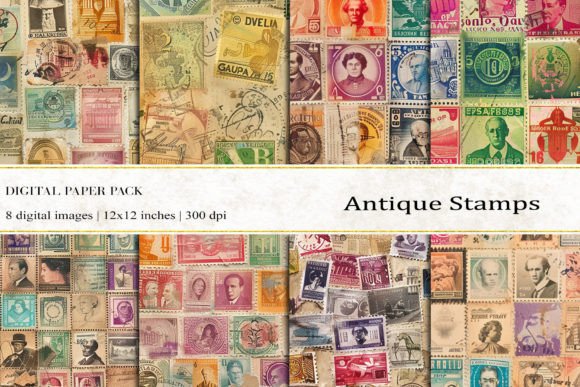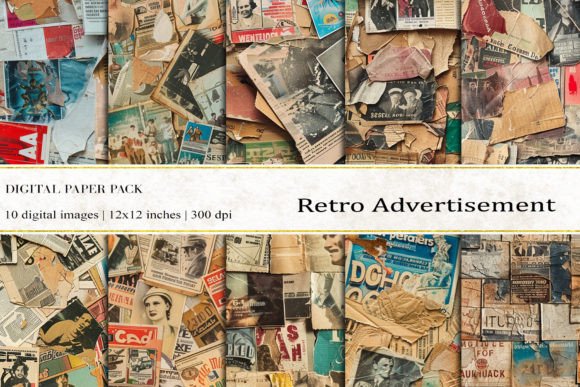
Retro Advertisement Digital Papers: A Versatile Resource for Creative Projects
Retro Advertisement Digital Papers are a unique set of digital assets that capture the nostalgic charm of vintage advertisements. These papers, often in 12x12 inch dimensions and JPG format at 300 dpi, are designed to bring an old-world aesthetic into modern creative work. Whether you're crafting invitations, designing web graphics, or working on scrapbook albums, these digital papers offer a blend of historical appeal and practical usability.
What Are Retro Advertisement Digital Papers?
Retro Advertisement Digital Papers are high-resolution images inspired by classic print ads from decades past. They typically feature elements like distressed textures, muted color palettes, and stylized fonts reminiscent of mid-20th-century design trends. Unlike generic background images, these papers incorporate specific visual cues associated with advertising during the era they represent, such as product labels, promotional slogans, and vintage illustrations.
The 10-paper set provides a curated collection of designs that can be used across various formats and purposes. Each sheet is optimized for printing and digital use, making them ideal for both tangible and online applications. The 300 dpi resolution ensures clarity and detail, whether printed on paper or displayed on screens.
Distinguishing Features and Benefits
- Nostalgic Design: These papers evoke a sense of history and warmth, appealing to those who appreciate retro aesthetics.
- Versatility: Suitable for a wide range of projects including planner stickers, cardmaking, invitations, and fabric printing.
- High Quality: With a 12x12 inch size and 300 dpi resolution, each image is ready for professional-grade output.
- Print-Ready Format: JPG files ensure compatibility with most design software and printers without the need for additional formatting.
One standout aspect of Retro Advertisement Digital Papers is their ability to integrate seamlessly into diverse media. Their design is not limited to paper-based crafts; they also serve well as Ephemera Backgrounds in digital collages or as part of themed home decor items.
Comparing Retro Advertisement Digital Papers with Similar Options
When choosing between different types of digital papers, it's important to understand how each category serves distinct creative needs. For example, Retro Journal Papers and Retro Newspaper designs may focus more on typographic elements and news-style layouts rather than the promotional feel of advertisements. While all three categories share a common vintage theme, the choice depends on the intended application and desired visual impact.
Retro Advertisement vs. Retro Journal Papers
Retro Journal Papers tend to mimic the look of aged notebooks or diaries, often featuring handwritten fonts, ruled lines, and subtle watermarks. In contrast, Retro Advertisement Digital Papers emphasize commercial graphics, logos, and taglines, which can make them more eye-catching and thematic when used for marketing-related or event-based projects.
If your goal is to create a personal journal or planner with a handcrafted appearance, a Retro Journal Paper might be more appropriate. However, if you're designing for a themed party, vintage-inspired invitations, or a craft project with a commercial twist, Retro Advertisement Digital Papers would provide greater visual storytelling potential.
Retro Advertisement vs. Retro Newspaper Designs
Retro Newspaper designs often include headlines, columns, and a grid-like layout to simulate the traditional newspaper format. These can be excellent for creating mock-ups of historical documents or adding a journalistic flair to your work. On the other hand, Retro Advertisement Digital Papers lean toward the graphical side of vintage media, offering bold colors and stylized typography typical of ad campaigns.
While both styles can enhance the authenticity of a project, the decision hinges on the message you want to convey. If you're aiming for a newsy or informational tone, the newspaper style may suit better. But for promotional materials, branding efforts, or themed decorations, the advertisement variant will likely resonate more effectively.
Retro Advertisement vs. General Retro Printable Papers
Retro Printable Papers encompass a broad category that includes everything from wallpaper patterns to calendar designs. What sets Retro Advertisement Digital Papers apart is their specificity — they are tailored to reflect the look and feel of actual advertisements from the past. This makes them particularly useful for niche projects where authenticity is key.
General printable papers may lack the thematic consistency and design focus that advertisement-based papers offer. If your project requires a strong visual identity rooted in historical marketing materials, the Retro Advertisement set becomes a more targeted option.
Key Strengths
- Design Authenticity: Accurate replication of vintage ad styles adds depth and credibility to any project.
- Ready-to-Use Files: Pre-sized and formatted for immediate integration into most design workflows.
- Multi-Purpose Use: From planner stickers to business cards, these papers adapt well to different sizes and mediums.
- Timeless Appeal: The retro style remains popular across many creative fields, ensuring lasting relevance.
Potential Limitations
- Limited Customization: As pre-designed digital assets, they may not allow for deep customization without editing tools.
- Thematic Constraints: Their commercial nature might not fit every creative context, especially those requiring softer or more neutral backgrounds.
- Learning Curve: Beginners unfamiliar with design software may find it challenging to edit or layer these papers effectively.
Best-Fit Situations for Retro Advertisement Digital Papers
Retro Advertisement Digital Papers shine in contexts where historical accuracy and visual flair are both essential. Consider using them in the following scenarios:
- Event Invitations: Throwback weddings, vintage-themed parties, or retro movie nights benefit from the authentic feel of old-school ads.
- Web Design: Use them as background textures or overlays to add character to websites focused on nostalgia, fashion, or entertainment.
- Scrapbooking and Collage Work: Enhance photo albums or mixed-media art with period-appropriate design elements.
- Craft Projects: Incorporate them into DIY greeting cards, custom planners, or handmade journals to give a professional finish.
- Stationery and Business Cards: Ideal for small businesses or brands looking to differentiate themselves with a vintage touch.
For instance, a designer creating a retro-themed album cover could use one of these digital papers to simulate the look of a 1950s record store ad, instantly grounding the design in a recognizable era.
Alternatives and When to Choose Them
Depending on your creative goals, there may be alternative options that better suit your needs:
Retro Journal Papers
These are great for personal or academic projects that require a handwritten or diary-like appearance. If your design leans more toward documentation than promotion, this could be a better match.
Plain Vintage Textures
Some designers prefer using just the texture of old paper rather than full-fledged designs. Plain textures offer flexibility but may require more effort to style creatively.
Custom Vintage Ad Templates
For users who want complete control over the design, creating or purchasing templates allows for personalized layouts. This option is better suited for advanced users with access to graphic design software like Adobe Photoshop or Illustrator.
Modern Digital Paper Sets
If your project has a contemporary vibe but still wants some retro influence, modern digital papers with subtle vintage effects might be preferable. They offer a fresh take while retaining a hint of the past.
Decision Factors and Practical Considerations
Choosing the right type of digital paper involves evaluating several factors:
- Project Theme: Does the design align with the overall aesthetic? For vintage or historical themes, Retro Advertisement papers are a natural fit.
- Intended Use: Will the paper be printed or displayed digitally? Both uses are supported, but the final quality depends on proper handling of the file.
- Design Sophistication: How much time do you have for customization? If you need something quick and impactful, these papers can save significant time.
- Software Compatibility: Ensure the digital papers work with your current tools. JPG format is widely compatible, but layered PSD files may offer more flexibility for advanced users.
Additionally, consider the scale of your project. Using these papers in large quantities for a print run may require checking licensing terms to ensure compliance. Most digital paper sets are sold for personal or non-commercial use unless otherwise stated.
Real-World Applications and Examples
To illustrate how Retro Advertisement Digital Papers can be applied, let’s explore a few real-life examples:
- Example 1: A boutique uses these papers for custom packaging, giving each gift box a retro cinema vibe with vintage ticket motifs.
- Example 2: A blogger creates a themed blog post about 1960s pop culture, using these papers as background for featured images and headers.
- Example 3: A schoolteacher incorporates the papers into classroom posters for a history unit, helping students visualize the past through design.
In each case, the papers contribute to a cohesive and immersive experience without overshadowing the main content. Their thoughtful design ensures they complement rather than distract.
Conclusion and Final Thoughts
Retro Advertisement Digital Papers offer a compelling way to infuse creativity with a sense of history and visual richness. Their combination of detailed graphics, nostalgic appeal, and practical usability makes them a valuable addition to any designer’s toolkit. However, their best results come when matched with the right project — one that benefits from the commercial, bold, and timeless look of vintage advertising.
By understanding the differences between this set and other retro-style digital papers, you can make a more informed decision based on your creative vision, technical requirements, and audience expectations. Whether you're enhancing a personal project or building a brand around a vintage concept, these papers provide a solid foundation for bringing your ideas to life with authenticity and style.