Seamless Floral Watercolor Patterns: A Strategic Tool for Creative Professionals and Entrepreneurs
Seamless Floral Watercolor Patterns offer a unique blend of elegance, versatility, and functionality that can significantly enhance a wide array of creative projects. These digital designs are crafted to tile effortlessly without visible seams, making them ideal for backgrounds, overlays, and decorative elements in both print and digital formats. For entrepreneurs, designers, marketers, and hobbyists alike, understanding how to use these patterns strategically is key to unlocking their full potential.
Why Seamless Floral Watercolor Patterns Matter in Modern Design
In today’s competitive visual landscape, aesthetics play a pivotal role in brand perception and customer engagement. Seamless floral watercolor patterns provide a soft yet sophisticated look that resonates with audiences seeking warmth, creativity, and authenticity. Whether you're designing a blog post, branding collateral, or event invitations, these patterns allow you to maintain consistency while adding a personal touch.
Their seamless nature eliminates the need for complex image editing, saving time and effort when creating repeatable design elements. This makes them especially valuable for professionals who juggle multiple projects and require efficient tools that deliver high-quality results without compromising on style.
Strategic Use Cases Across Industries
- Blog and Website Design: Incorporate these patterns into headers, sidebars, or background textures to create an inviting and seasonal atmosphere that aligns with your brand identity.
- Scrapbooking and Digital Layouts: Add depth and visual interest to memory pages or digital albums by layering subtle floral accents over photographs or text blocks.
- Branding Materials: Use them as overlays for logos, business cards, or packaging to communicate a sense of artistry and attention to detail.
- Event Invitations and Cards: Elevate wedding invites, birthday cards, or birth announcements with delicate floral motifs that evoke emotion and elegance.
- Planner and Journal Covers: Customize planners or journals with seamless patterns that reflect your personality or business theme, encouraging organization and inspiration.
- Gift Wrapping and Tags: Personalize tags or wrapping paper with floral watercolor designs to make gifts stand out and feel more thoughtful.
- Decorative Crafts: From decoupage furniture to handmade stationery, these patterns bring a natural, artistic flair to DIY projects and home décor.
Planning Your Use of Seamless Floral Watercolor Patterns
To maximize the value of these patterns, start by defining clear goals. Ask yourself: What message am I trying to convey? Who is my target audience? How will this pattern support the overall design strategy?
For instance, if you're launching a seasonal product line for fall, consider using autumn-inspired Seamless Floral Watercolor Patterns to reinforce the theme. The right choice can subtly guide customer expectations and improve brand recognition through consistent visual language.
Here are some planning tips to help you integrate these patterns effectively:
- Align with Brand Identity: Choose patterns that complement your brand's color palette and tone. Soft pastels might suit a wellness brand, while bold florals could work well for fashion or lifestyle niches.
- Consider Scalability: Since these are digital downloads, ensure they can be used across different platforms and sizes—from small social media banners to large posters.
- Layer Thoughtfully: Avoid overwhelming your design by using the patterns as accents rather than dominant features. They should enhance, not distract.
- Test Before Finalizing: Apply the pattern to sample designs before committing to final prints or client presentations. This helps identify any unintended effects or formatting issues.
When to Rely on These Patterns
Seamless Floral Watercolor Patterns are most effective when used in scenarios where a gentle, organic aesthetic is desired. This includes but is not limited to:
- Marketing materials that aim to feel warm and approachable
- Interior design or furniture decoration projects requiring texture
- Seasonal promotions or campaigns
- Editorial content like book covers or journal layouts
- Handmade or personalized gifts
However, it's important to recognize when these patterns may not be appropriate. In high-tech or minimalist industries, such as SaaS or modern architecture, floral motifs might clash with the intended brand image. Always evaluate the context before implementation.
Decision-Making Guidance for Effective Application
Using Seamless Floral Watercolor Patterns intentionally requires more than just downloading them—it demands thoughtful application. Begin by selecting a primary use case and then explore secondary ways to integrate the same pattern across related materials. This creates cohesion and reinforces your brand's visual storytelling.
For example, a blogger focusing on seasonal recipes might use one pattern as a background for their website header, another for printable recipe cards, and a third as a border for social media posts. This layered approach ensures a unified experience while keeping the content visually engaging.
Additionally, consider the emotional impact of the pattern. Delicate watercolor flowers often evoke feelings of calm, nostalgia, or celebration—use them accordingly to support the narrative of your project.
Risks of Using Without Clear Context
While these patterns are undeniably beautiful, using them randomly or without strategic alignment can dilute your message. If a pattern doesn’t serve a purpose within the design ecosystem, it becomes a distraction rather than an enhancement. For instance, applying an intricate floral pattern to a clean, modern logo might undermine the simplicity and professionalism you’re aiming for.
Another risk lies in inconsistency. If you apply these patterns sporadically across your branding or marketing assets, it can confuse your audience and weaken your brand identity. Always ensure your use of the patterns supports a broader visual strategy.
Realistic Use Cases and Practical Examples
Let’s explore a few realistic scenarios where Seamless Floral Watercolor Patterns can add value:
- Entrepreneur Launching a Stationery Line: By using these patterns for envelopes, note cards, and labels, the entrepreneur can differentiate their product from mass-produced alternatives and appeal to customers who appreciate artisanal quality.
- Freelance Graphic Designer Creating Wedding Invites: A designer can incorporate the patterns into digital templates, allowing clients to customize colors and fonts while maintaining a cohesive, elegant design.
- Small Business Owner Redesigning Packaging: To give products a fresh, seasonal feel, the owner might print the patterns onto kraft paper or use them digitally for e-commerce site visuals.
- Content Creator Developing Planner Stickers: These patterns can be printed as sticker sheets to add charm and functionality to bullet journals, helping users stay organized in style.
In each of these cases, the patterns are used with intention—to support the project's purpose and resonate with the intended audience.
Long-Term Value and Creative Sustainability
Investing in Seamless Floral Watercolor Patterns isn't just about immediate aesthetics; it's also about long-term creative sustainability. High-resolution digital files mean you can repurpose the designs across multiple platforms without quality loss. This adaptability allows for cost-effective updates to existing materials, ensuring your creative output remains fresh and relevant.
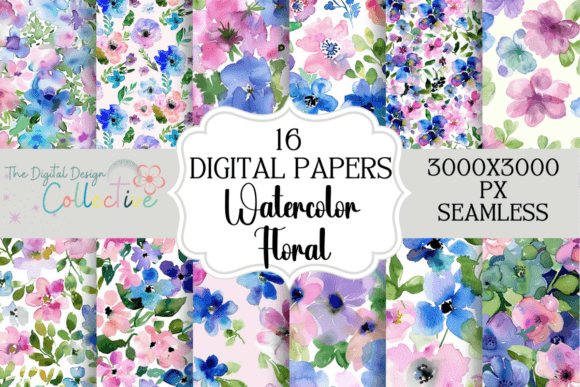
Moreover, having access to a library of 16 patterns gives you flexibility to rotate designs seasonally or for different campaigns. This variety prevents repetition and keeps your brand visually dynamic.
How to Approach Integration Like a Pro
Start by organizing your patterns based on themes or uses. Categorize them by occasion (e.g., weddings, birthdays), by style (vintage, modern), or by color family. This classification system streamlines your workflow and helps you choose the best fit quickly.
Next, think about how the pattern interacts with other design elements. Does it contrast well with your text? Is it scalable enough for various applications? Will it print clearly at different resolutions? These considerations are crucial to ensuring your designs look polished and professional in all contexts.
If you're working with a team, establish guidelines for pattern usage. This helps maintain consistency and ensures everyone is aligned with the creative vision. Tools like Canva or Adobe Photoshop allow for easy customization and layering, making it simple to apply the patterns precisely where needed.
Maximizing Productivity and Creativity
Seamless Floral Watercolor Patterns can streamline your creative process. Instead of spending hours sourcing or creating original textures, you can focus on refining your layout and messaging. This efficiency is particularly beneficial for freelancers, educators, or bloggers who manage tight schedules and diverse projects.
But don’t mistake ease of use for lack of thoughtfulness. Treat each pattern as part of a larger design strategy. Think about how it contributes to the user experience—whether it adds warmth to a website, enhances readability in a planner, or elevates the perceived value of a gift item.
Final Thoughts on Intentional Design Choices
Seamless Floral Watercolor Patterns are more than just decorative—they are powerful tools for communication, branding, and customer experience when applied with clarity and purpose. Their ability to adapt to various mediums and styles makes them a valuable asset in the toolkit of any creative professional.
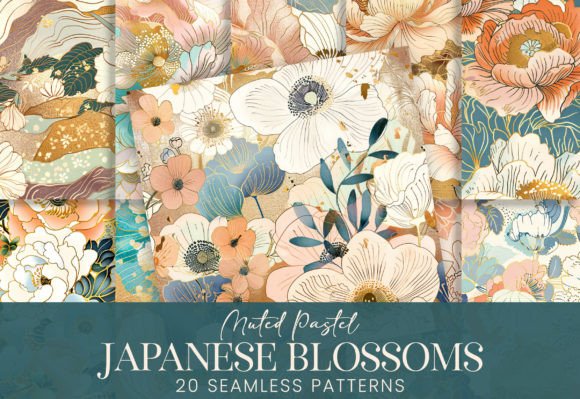
Upon purchase, you’ll instantly gain access to a high-resolution, digital download of 16 seamless patterns. It’s easy to incorporate into a wide range of creative endeavors, including scrapbooking, digital layouts, website blogs, logos, invitations, tags, books, jewelry, cards, planner stickers, handmade stationery, business cards, decoupage, packaging, and printed paper items.
By taking a strategic approach to their use, you can avoid common pitfalls and ensure your designs consistently reflect your brand values and goals. Remember, the best patterns aren’t the flashiest ones—they’re the ones that serve your purpose and resonate with your audience.