To Do List Planner Paper and Note Papers: A Practical Guide to Enhancing Productivity
Whether you're a professional managing daily tasks, a creative working on multiple projects, or someone striving for personal growth, having the right tools can make all the difference. One such tool that often goes overlooked is To Do List Planner Paper and Note Papers. These versatile sheets are more than just blank canvases—they’re essential components of an effective planning system, designed to help users organize thoughts, prioritize actions, and track progress efficiently.
Understanding To Do List Planner Paper and Note Papers
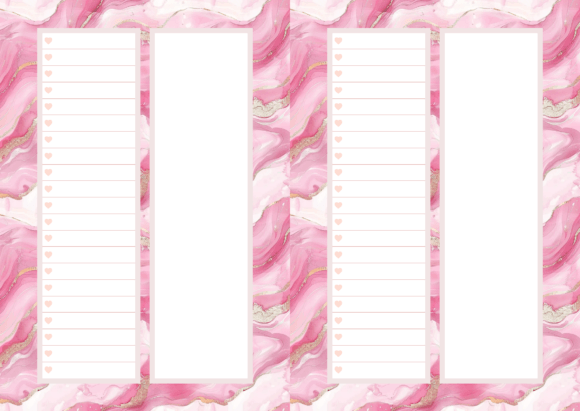
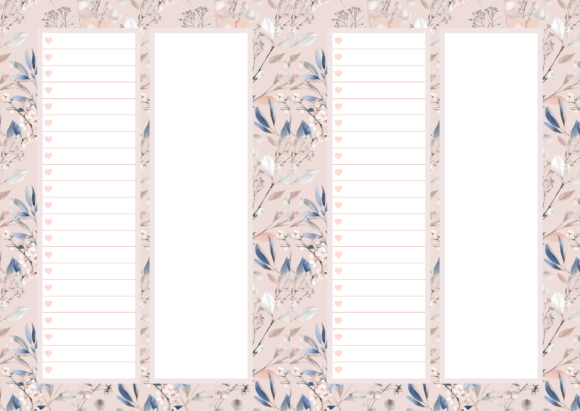
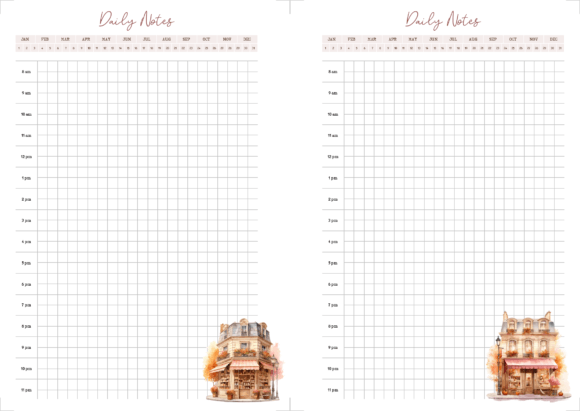
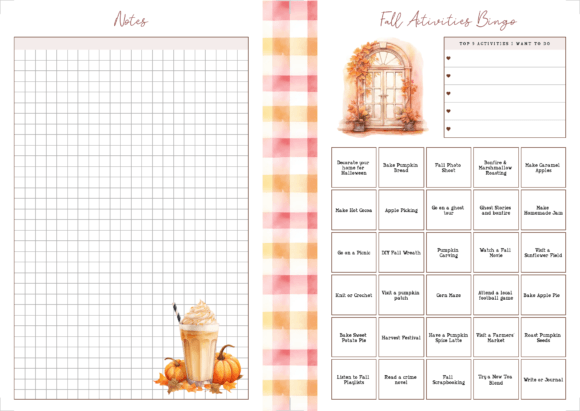
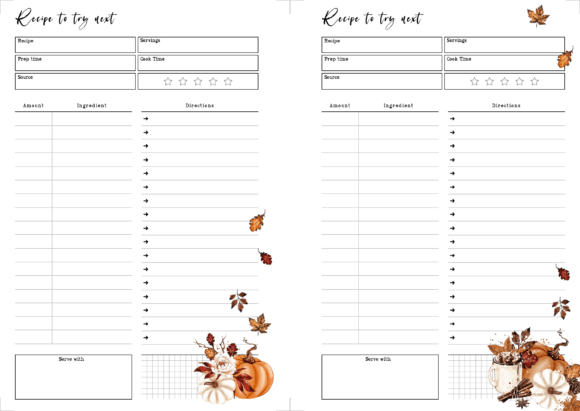
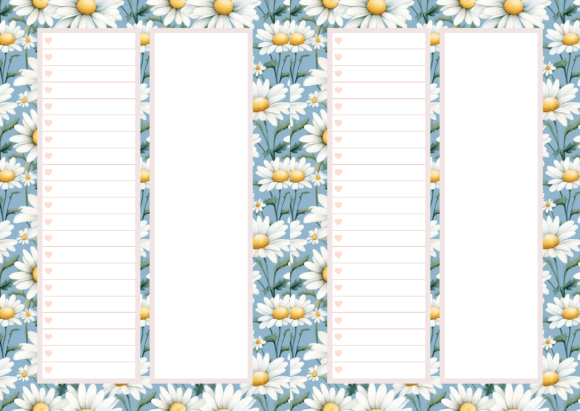
To Do List Planner Paper typically refers to structured printable templates used to create task lists, while Note Papers offer a more open format for jotting down ideas, reminders, and observations. Both formats are especially valuable when printed in A5 size, which fits neatly into most planners, notebooks, or binders, making them ideal for both digital and physical organization systems.
The key difference lies in their structure and intended use. To Do List Planner Papers usually come with columns for prioritization, deadlines, and completion status, whereas Note Papers are unstructured, allowing for freeform brainstorming or note-taking. Together, they form a powerful duo that supports different stages of planning and execution.
Where It Fits Into the Broader Planning Process
These papers don’t exist in isolation. They integrate seamlessly into a broader workflow by acting as a central hub for organizing information before, during, and after various activities. From project management to personal goal setting, they provide a tangible space to capture, refine, and monitor your progress.
Before a Task or Project
- Ideation and Brainstorming: Use note paper to gather initial thoughts and ideas. This is particularly useful for writers, designers, and entrepreneurs who need a place to start without the pressure of formatting or structure.
- Planning and Outlining: Convert those raw notes into a to-do list using planner paper. Break larger goals into smaller actionable steps and assign deadlines where necessary.
- Research and Reference: Keep note pages handy for collecting references, quotes, or inspiration. These can later be sorted into your planner pages for action items.
During Execution
- Task Tracking: As you move through your planner page checklist, mark completed items and update any new ones that arise. The physical act of crossing off tasks provides a sense of accomplishment and helps maintain focus.
- Quick Notes and Adjustments: During meetings, workshops, or brainstorming sessions, note paper allows for quick jots and adjustments. You can later transfer key points into your planner for follow-up.
- Collaboration Support: If working in teams, these papers can serve as shared reference materials. Print them out and pin to a board, or distribute digital versions via email or cloud platforms for everyone to access.
After Completion
- Reflection and Review: After finishing a project or task, use note paper to document lessons learned, what worked well, and areas for improvement. This builds a repository of insights that can inform future work.
- Next Steps Planning: Reuse the same planner page layout to set up the next phase of your work. Consistency here ensures continuity in your planning process.
- Archiving and Organization: Store completed planner and note pages together in folders or binders for easy retrieval. This is especially helpful for professionals who may need to reference past workflows or decisions.
Use Cases Across Industries and Hobbies
While commonly associated with productivity, To Do List Planner Paper and Note Papers have far-reaching applications across diverse fields. Here’s how different professionals and hobbyists might use them:
For Creatives
- Designers and Artists: Use note paper for sketching layouts, color schemes, or mood boards. Then, transition to a planner page to outline specific design milestones and deadlines.
- Photographers and Videographers: Capture session ideas and client requests on note paper, then build a detailed schedule using the to-do list format.
- Scrapbooking and Crafting: These papers are perfect for creating custom layouts. Their A5 size works well with stickers, washi tape, and other embellishments to enhance visual appeal.
For Business and Marketing
- Small Business Owners: Manage daily operations with a to-do list planner, ensuring nothing slips through the cracks. Note papers can be used for customer feedback or market research snippets.
- Marketers and Advertisers: Plan campaign timelines using structured planner pages. Note paper can collect competitor analysis, social media content ideas, or ad copy drafts.
- Entrepreneurs: Track business development steps, from ideation to launch. These papers can also support pitch preparation and investor communication.
For Educators and Learners
- Lesson Planning: Teachers can use note paper for drafting lesson outlines and then finalize the plan using a to-do list template.
- Study Schedules: Students benefit from breaking down assignments into manageable chunks using planner pages. Note paper serves as a scratchpad for concepts, formulas, or vocabulary.
- Project-Based Learning: These tools help educators and students alike visualize learning objectives and track progress over time.
For Home and Personal Use
- Home Decor Projects: When planning a home renovation or DIY decor, note papers help collect ideas and materials needed. Planner pages can then break the project into weekly or daily tasks.
- Event Planning: Whether it's a birthday party or a corporate event, note papers are great for capturing vendor names, guest lists, and themes. A to-do list planner keeps everything on track.
- Travel Preparation: Jot down travel destinations, packing lists, and itineraries. Organize this information into a planner page to ensure nothing is forgotten.
How to Integrate Into Your Workflow
Successfully incorporating To Do List Planner Paper and Note Papers into your routine requires thoughtful setup and regular maintenance. Here are some practical tips to get started:
- Choose the Right Format: Select a to-do list planner template that aligns with your workflow style—some prefer bullet points, others like numbered lists or matrix-style grids.
- Keep Notes Separate but Accessible: Use note paper for temporary captures and keep it within reach. Later, sort relevant notes into your planner pages to avoid clutter.
- Set Regular Check-Ins: Dedicate time each morning or evening to review and update your planner and note pages. This habit reinforces consistency and clarity.
- Digitize When Needed: For long-term projects or collaborative efforts, consider scanning or photographing your pages and storing them digitally for easy access and sharing.
One example of integration could look like this: a freelance writer starts the day by reviewing their planner page for upcoming article deadlines and client interactions. Throughout the day, they use note paper to capture story ideas, research links, or questions. At the end of the week, they compile the best ideas into a new planner page for the following week’s content calendar.
Enhancing Compatibility and Usability
When choosing To Do List Planner Paper and Note Papers, consider how they’ll interact with other tools you use. Many people pair these with digital apps like Trello, Notion, or Google Calendar, using the printed version as a tactile supplement. Others might rely on physical planners and use the note paper for brainstorming before transferring details to a master plan.
Usability is another factor. Look for templates that allow customization—whether that means adding sections for subtasks, including priority levels, or adjusting column widths. The ability to print in A5 size ensures compatibility with standard notebooks and portfolios, enhancing portability and accessibility.
Compatibility also extends to creative uses. These papers work well with markers, pens, stickers, and even digital printing. They can be cut, folded, or layered depending on the project, making them adaptable to almost any need.
Maintaining Quality and Long-Term Use
Over time, the effectiveness of these tools depends on how consistently they’re maintained. To ensure quality control and longevity:
- Print on high-quality paper to prevent ink bleed, especially if using pens or markers.
- Organize completed pages in a way that makes them easily retrievable. Consider date-stamping or labeling each sheet.
- Review old planner pages periodically to identify recurring tasks or patterns that could streamline your workflow.
- Consider laminating frequently used pages if you want to reuse them for similar projects or tasks.
By keeping your To Do List Planner Paper and Note Papers organized and accessible, you not only improve efficiency but also reduce decision fatigue by always having a clear reference point at hand.
Maximizing Efficiency and Consistency
Efficiency comes from knowing when and how to switch between note paper and planner pages. A common pitfall is trying to do too much on one page. Instead, treat note paper as a raw material for thought and let planner pages handle the actionable outcomes.
Consistency is equally important. Establish a naming convention or folder system so you can quickly find the right template. Some people prefer to print a few extra copies at once, while others generate new ones as needed. Choose the method that suits your pace and preferences.
Another tip is to pair these with other organizational methods, such as the Eisenhower Matrix or GTD (Getting Things Done) principles. By doing so, you can categorize tasks based on urgency and importance directly on your planner pages, helping you stay focused on what truly matters.
Real-Life Workflow Example
Imagine a graphic designer preparing for a client presentation. They begin by using note paper to sketch out possible design directions and collect reference images. Next, they create a to-do list planner page outlining the next steps: finalizing mockups, scheduling a meeting, and sending revisions. As the deadline approaches, they update the planner with client feedback and adjust the timeline accordingly. After the presentation, they archive the planner and note pages for future reference, ensuring a smooth transition to the next project.
Why A5 Size Matters
Printing your To Do List Planner Paper and Note Papers in A5 size offers several advantages. It’s compact enough to fit into a standard notebook or portfolio yet large enough to hold detailed information. The size also supports dual-page spreads when folded into an A4 notebook, allowing for a more comprehensive view of your planning process.
Additionally, A5 is widely used in Europe and many international markets, making it a practical choice for businesses and individuals who operate globally. Its dimensions also suit mobile devices and tablets, enabling seamless scanning and digital integration.
Conclusion
To Do List Planner Paper and Note Papers are more than just stationery—they’re foundational elements of a productive and organized lifestyle. By understanding how to use them effectively throughout the planning process, you can boost clarity, reduce stress, and maintain momentum toward your goals.
Whether you're crafting invitations, managing a marketing campaign, or simply staying on top of daily responsibilities, these tools offer flexibility and functionality that adapt to your needs. With the right mindset and a few simple strategies, you can turn them into a staple of your workflow and enjoy the benefits of a more structured and efficient approach to life and work.